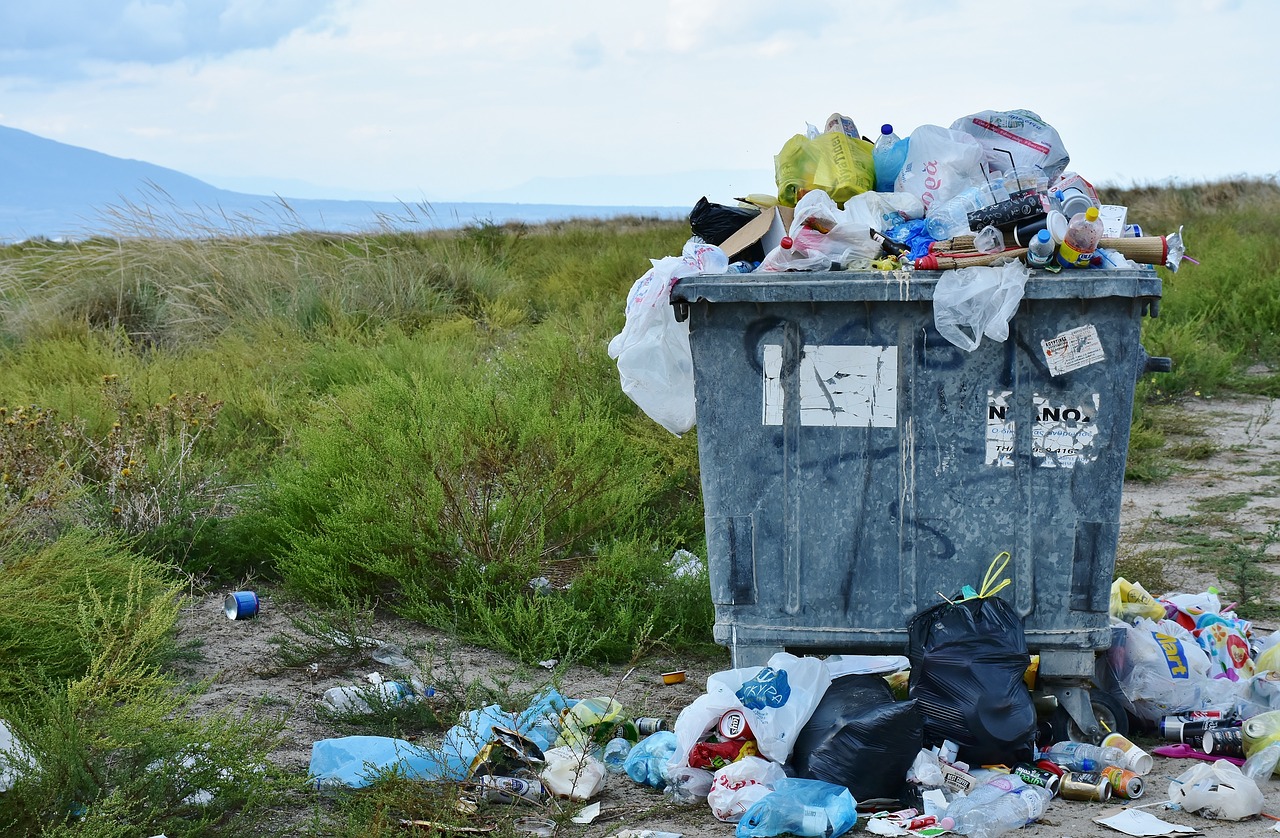
Here are some key points about its effects:
Marine Life: Plastic waste, particularly single-use plastics like bags and bottles, end up in the oceans, harming marine life. Marine animals such as turtles, seabirds, and marine mammals can mistake plastic for food or become entangled in it, leading to injury, suffocation, and even death.
Ecosystem Disruption: Plastic pollution disrupts ecosystems in various ways. When plastics break down into smaller pieces, known as microplastics, they can be ingested by smaller organisms at the base of the food chain. This ingestion can then lead to bioaccumulation, where the concentration of toxins in organisms increases as it moves up the food chain, ultimately affecting larger predators and humans.
Water Pollution: Plastics in the environment can release toxic chemicals into the water, contaminating aquatic habitats. These chemicals can harm aquatic life, affecting their reproductive systems, growth, and overall health. Furthermore, plastic debris can alter water flow patterns and block waterways, leading to flooding and damage to aquatic ecosystems.
Land Pollution: Plastic waste not properly disposed of or recycled can accumulate on land, polluting soil and affecting plant growth. Plastics take hundreds of years to decompose, so they remain in the environment for an extended period, contributing to long-term pollution and posing a threat to wildlife.
Carbon Footprint: The production of plastic contributes to greenhouse gas emissions and exacerbates climate change. Plastics are primarily made from fossil fuels, and their manufacturing process requires energy and releases carbon dioxide into the atmosphere. Additionally, improper disposal and incineration of plastic waste can release toxic gases and further contribute to air pollution.
Microplastics in the Food Chain: Microplastics have been found in various food sources, including seafood, salt, and drinking water. This means that humans can inadvertently consume microplastics, which may have long-term health implications. The full extent of these health impacts is still being studied, but it highlights the potential risks associated with plastic pollution.
Addressing plastic pollution requires a comprehensive approach, including reducing plastic consumption, promoting recycling and proper waste management, and transitioning to sustainable alternatives. By minimizing plastic waste and promoting a circular economy, we can protect the environment, preserve biodiversity, and safeguard human health.