Climate change refers to long-term shifts in global or regional climate patterns, primarily caused by human activities, particularly the emission of greenhouse gases into the atmosphere. The main driver of modern climate change is the burning of fossil fuels (coal, oil, and natural gas) for energy, deforestation, industrial processes, and other human activities.
Effects of Climate Change:
Rising global temperatures: The Earth's average surface temperature has been steadily increasing due to the accumulation of greenhouse gases in the atmosphere. This phenomenon, known as global warming, has a wide range of consequences.
Melting ice and rising sea levels: As global temperatures rise, glaciers and ice sheets in polar regions are melting, contributing to rising sea levels. This leads to coastal flooding, loss of habitat for wildlife, and the displacement of coastal communities.
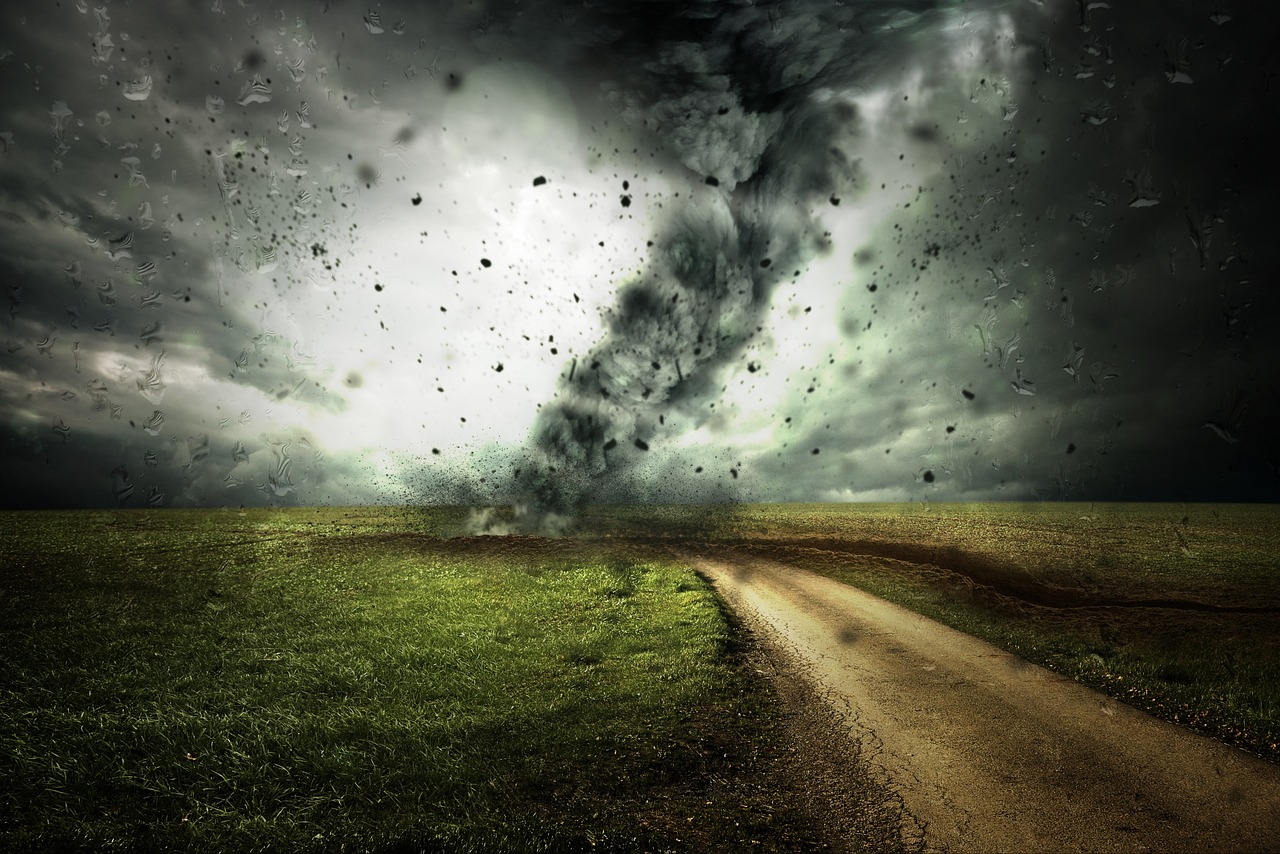
Extreme weather events: Climate change intensifies the frequency and severity of extreme weather events, such as hurricanes, heatwaves, droughts, and heavy rainfall. These events can cause significant damage to infrastructure, agriculture, and human communities.
Ocean acidification: This negatively impacts marine life, particularly organisms with calcium carbonate shells, such as coral reefs and shellfish.
Biodiversity loss: Climate change disrupts ecosystems and alters natural habitats, leading to shifts in plant and animal distributions and, in some cases, species extinctions.
Changes in precipitation patterns: Climate change can result in altered patterns of rainfall and snowfall, leading to water scarcity in some regions and increased risk of flooding in others.
Threats to agriculture and food security: Changes in temperature, precipitation, and extreme weather events can negatively affect crop yields and food production, potentially leading to food shortages and price volatility.
Public health risks: Climate change can impact human health by increasing the prevalence of heat-related illnesses, spreading diseases carried by insects, and exacerbating air pollution.
Addressing climate change requires global cooperation and concerted efforts to reduce greenhouse gas emissions, transition to renewable energy sources, protect and restore natural ecosystems, and adapt to the changes that are already underway.