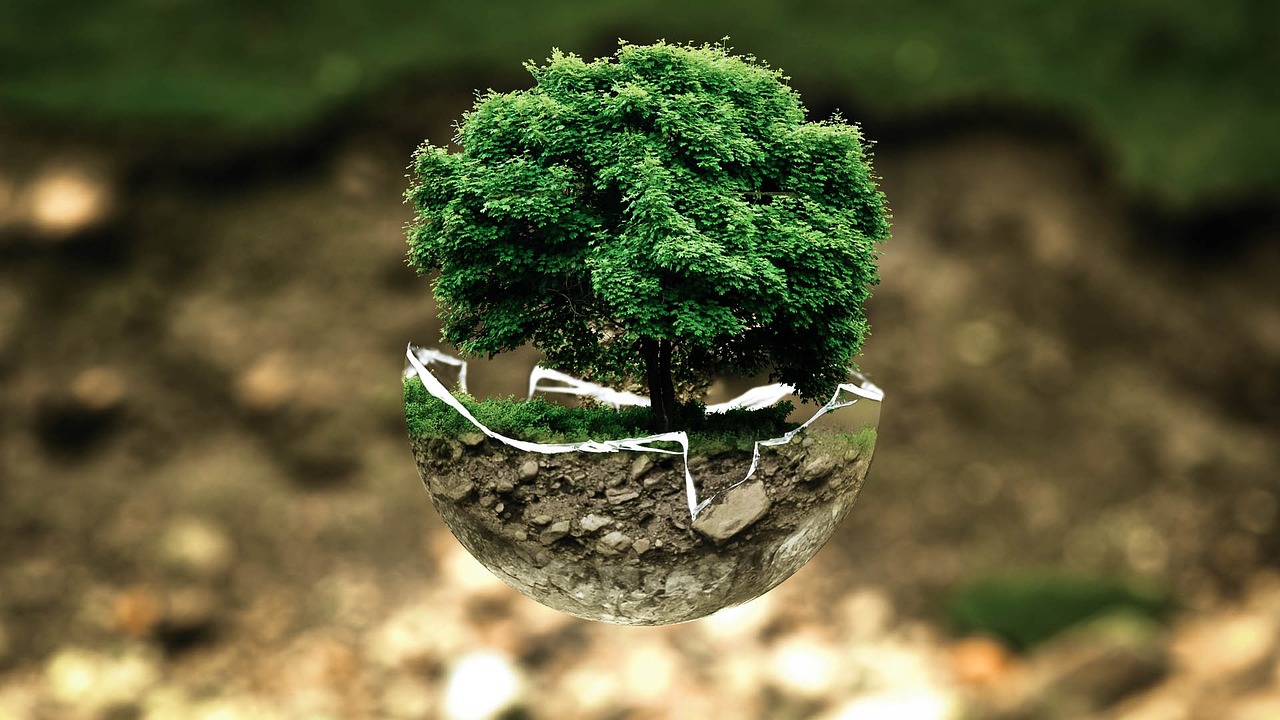
The environment is crucial for the well-being and survival of all living beings, including humans. It plays a vital role in sustaining life on Earth and provides numerous benefits that are essential for our existence. Here are some key reasons why the environment is important:
Biodiversity: The environment is home to a wide variety of plants, animals, and microorganisms. Biodiversity ensures ecosystem stability, resilience, and adaptability, which are vital for maintaining ecological balance.
Ecosystem Services: Ecosystems provide a range of services that support human life and societies. These services include clean air and water, pollination of crops, nutrient cycling, climate regulation, and natural disaster mitigation.
Clean Air and Water: The environment acts as a natural filtration system, purifying the air we breathe and the water we drink. Healthy ecosystems are essential for reducing air and water pollution and maintaining overall public health.
Climate Regulation: Natural processes within the environment, such as carbon sequestration by forests and ocean currents, help regulate the Earth's climate. Maintaining these processes is crucial in mitigating the impacts of climate change.
Food and Agriculture: Healthy environments support agriculture and provide the resources needed to grow food. Maintaining soil fertility, water resources, and pollinators is vital for ensuring food security.
Medicine and Pharmaceuticals: Many of our medicines are derived from plants and other organisms found in nature. Preserving the environment is crucial for continuing to discover potential cures and treatments for various diseases.
Recreation and Well-being: The environment offers recreational opportunities and spaces for physical and mental well-being. Parks, forests, and natural landscapes contribute to reducing stress and promoting a healthier lifestyle.
Economic Value: The environment supports various industries like tourism, fishing, forestry, and agriculture, contributing significantly to national and global economies.
Cultural and Spiritual Significance: The environment holds cultural and spiritual importance for many societies and indigenous communities. Preserving natural landscapes and ecosystems is essential for maintaining cultural heritage and identity.
Sustainable Development: A healthy environment is the foundation for achieving sustainable development goals, which include eradicating poverty, reducing inequality, and protecting the planet for future generations.